The Toughest Opponent in Medicine Is a Pill Made of Nothing
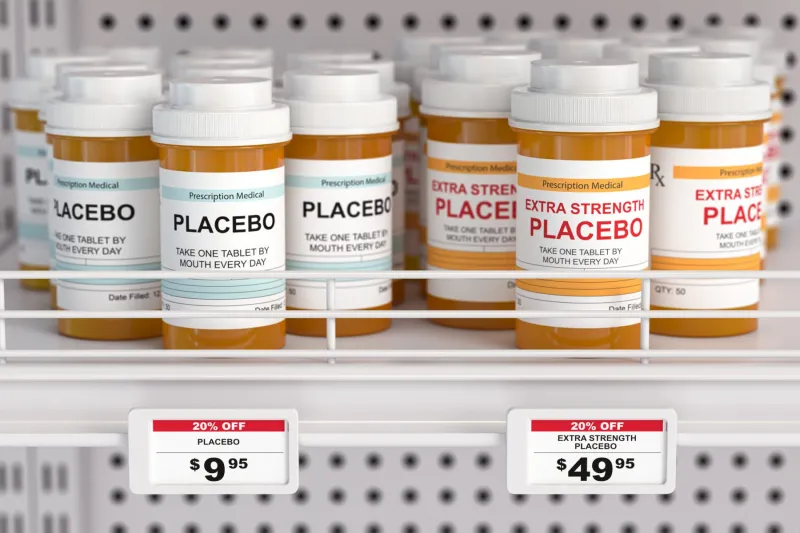
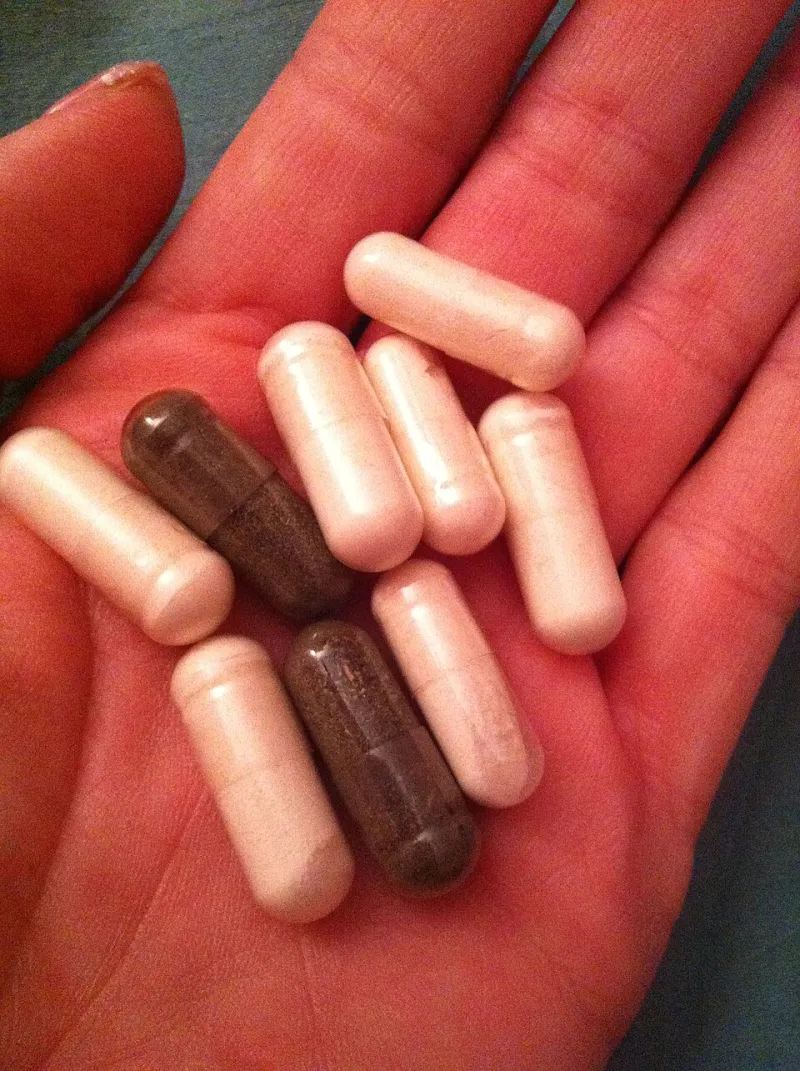
Photo: clinical trial pills placebo sugar pill white tablets, via drdavidhamilton.com
Here's a fun fact to ruin your next doctor's appointment: in a growing number of drug trials, the placebo group is doing better than it used to. Not just a little. Enough that researchers have published papers with titles like "Is the Placebo Powerless?" — and then answered their own question with an anxious shrug.
Drugs aren't getting weaker. The invisible opponent they have to beat is getting stronger. And once you understand why, you'll never read a health headline the same way again.
The Bar Keeps Rising
When a new drug goes up for FDA approval in the United States, it doesn't just have to work. It has to work better than a fake pill — usually a sugar pill or something equally inert, handed to a control group who doesn't know it's fake.
Sounds easy, right? Beat the nothing-pill. But here's the catch: the nothing-pill has been quietly leveling up. Analyses of painkiller trials, antidepressant trials, and trials for irritable bowel syndrome have all documented the same pattern — the placebo response in these studies has grown substantially over the past few decades, especially in the US specifically.
Why? Nobody knows for sure. Leading theories include longer trial durations (more time to feel better naturally), bigger and more geographically spread-out trials (which dilute the average), and something harder to pin down: Americans enrolling in clinical trials today may be more optimistic, more health-literate, or simply more primed to expect a benefit. Expectation, it turns out, is pharmacologically active.
So imagine you're a drug developer. Your compound has to beat a competitor whose performance improves every year. It's like qualifying for the Olympics against a field that trains while you sleep.
"Statistically Significant" Is Not the Flex You Think It Is
Now let's talk about the phrase that gets laundered through every press release in America: statistically significant.
Here's what it actually means. In a trial, you're comparing two groups and asking: could this difference be pure luck? Statistical significance is a probability threshold — conventionally, less than a 5% chance the result is a fluke. That's it. That's the whole trick.
What it does not tell you is whether the difference matters.
Suppose a new antidepressant beats placebo, and the difference on a standard mood scale is 1.8 points out of a possible 52. If the trial enrolled enough people — a big enough n, as we like to say — that tiny gap can clear the significance bar with room to spare. Statistically significant? Absolutely. Clinically meaningful? Patients and their psychiatrists might struggle to notice the difference.
This gap between detectable and meaningful is what statisticians call effect size, and it is the single most important number you've probably never heard of. Effect size answers a different question than significance does. Significance asks: is there a difference? Effect size asks: how big, in units a human being can feel?
Reading the Numbers Instead of the Headline
Here's a practical exercise you can do tonight, free of charge, from your couch.
Next time you see "Breakthrough Drug Beats Placebo" on the news, find the actual study. Most are a quick search away. Then look for three things:
One: the raw scores. Not the p-value — the actual numbers for each group. If the drug group improved 10 points and placebo improved 8, the headline is technically true and practically hollow.
Two: the sample size. A result from 40 people is a rumor. A result from 4,000 is a finding. (Yes, we named a website after this idea.)
Three: who paid for it. Industry funding doesn't automatically make a study wrong, but publication bias — the tendency for positive results to see daylight while null results vanish into a drawer — is real and well documented.
Do this a few times and something strange happens: health news starts reading less like news and more like advertising. Because often, that's exactly what it is.
The Placebo Effect Is Real — and That's the Weird Part
One more wrinkle before you write off sugar pills entirely: the placebo response isn't fake relief. Brain imaging studies show genuine neurochemical changes in people taking inert pills they believe are medicine. Placebo effects are strongest precisely where expectation matters most — pain, nausea, depression, the fuzzy realm of symptoms reported on questionnaires.
Which is why placebos shine in exactly the trial types where new drugs struggle. The competition isn't imaginary; it's the human mind doing its finest work at zero cost.
Some ethicists have suggested we should study placebos openly and deploy them deliberately. Others note the irony: a treatment that works best when you don't know it's a treatment is a regulatory nightmare wrapped in a philosophical paradox.
N Equals Many, but the Difference Might Equal Almost Nothing
The lesson of the improving placebo isn't cynicism — it's literacy. Big trials with big samples are how we know anything in medicine; a sample size of one is just a story. But big samples cut both ways. They can detect whisper-small effects, and then press releases shout those whispers as roars.
So the next time a pill beats a pill made of nothing, ask the follow-up question the headline forgot: by how much? The answer is usually more interesting than the news — and occasionally more humbling than the drug.